The door must work correctly before the opener does
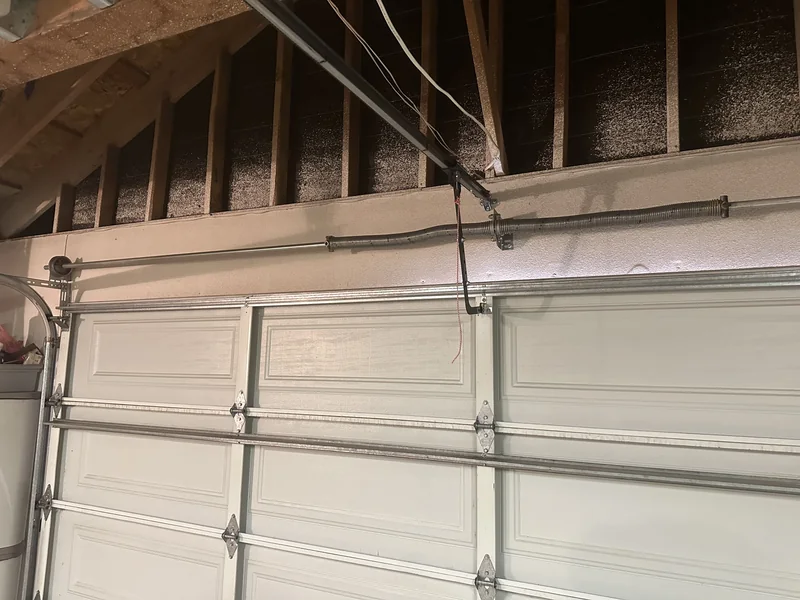
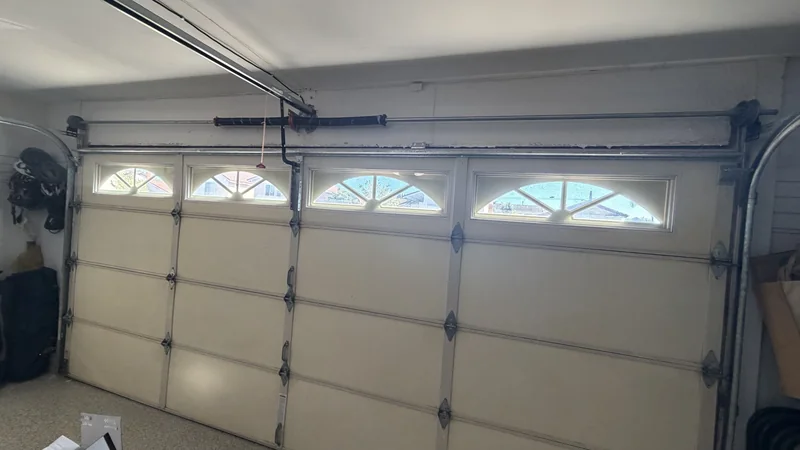
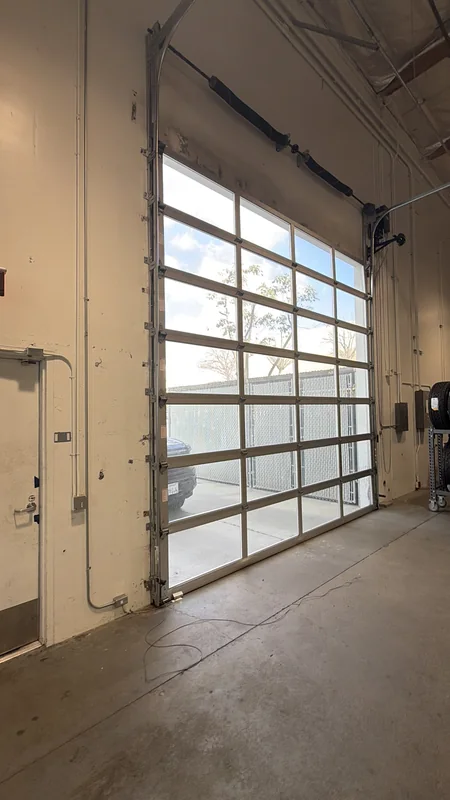
An opener guides a balanced door; it should not drag a heavy door through the tracks. We disconnect the old unit and move the door by hand first. Spring balance, rollers, tracks, and hinges are checked so a hardware problem does not shorten the life of the new opener.
Choosing a compatible opener
Door size, weight, ceiling height, rail length, and available power shape the choice. Belt, chain, and wall-mount systems have different space and noise characteristics. Battery backup, wireless controls, lighting, and phone connectivity are optional features, not substitutes for correct sizing and installation.
Installation and setup
- Mount the motor and rail with secure attachment points.
- Connect the trolley and door arm at the correct geometry.
- Install and align the photo-eye sensors near the floor.
- Set open and close travel, then adjust force within the manufacturer's procedure.
- Program the wall control and compatible remotes.
- Test full cycles, beam interruption, and contact reversal.
Replacing or repairing an existing opener
A failed gear, sensor, remote, or limit setting may be worth repairing. A new unit may make more sense when parts are unavailable, the rail is damaged, or several major components have failed. Our opener repair page covers that comparison.
Call (330) 947-4591 with the door width, height, and current opener model if one is installed.